01 The plan
Roadmap
GID is built foundations-first. The phases below are ordered by what must be true before the next step, not by a calendar. We would rather be right than early on the decisions that cannot be undone.
02 Phases
- 00
Concept
CompleteThe thesis, scope, and HID lineage established. Debuted publicly at AWE XR 2026.
- 01
Foundations
CompleteThe hard, irreversible decisions: how GID frames input, versions it safely, extends without breaking, and gets it to the right app. These are now locked.
- 02
Draft specification
In progressThe core written down: descriptors, the envelope, addressing, security, and the conformance baseline, with a BLE binding. Drafted, now under review before a v0 freeze.
- 03
Reference controller
Up nextPeKe Labs ships the first GID controller and companion relay as a working proof that the model holds in hardware - not a slide, a device.
- 04
GID 1.0
PlannedA stable core, a conformance definition, and an open process for extensions. Announced here once the spec is frozen and proven in hardware.
03 Strategy
Prove it in hardware
A standard nobody builds is a document. GID's strategy is to ship the first device itself.
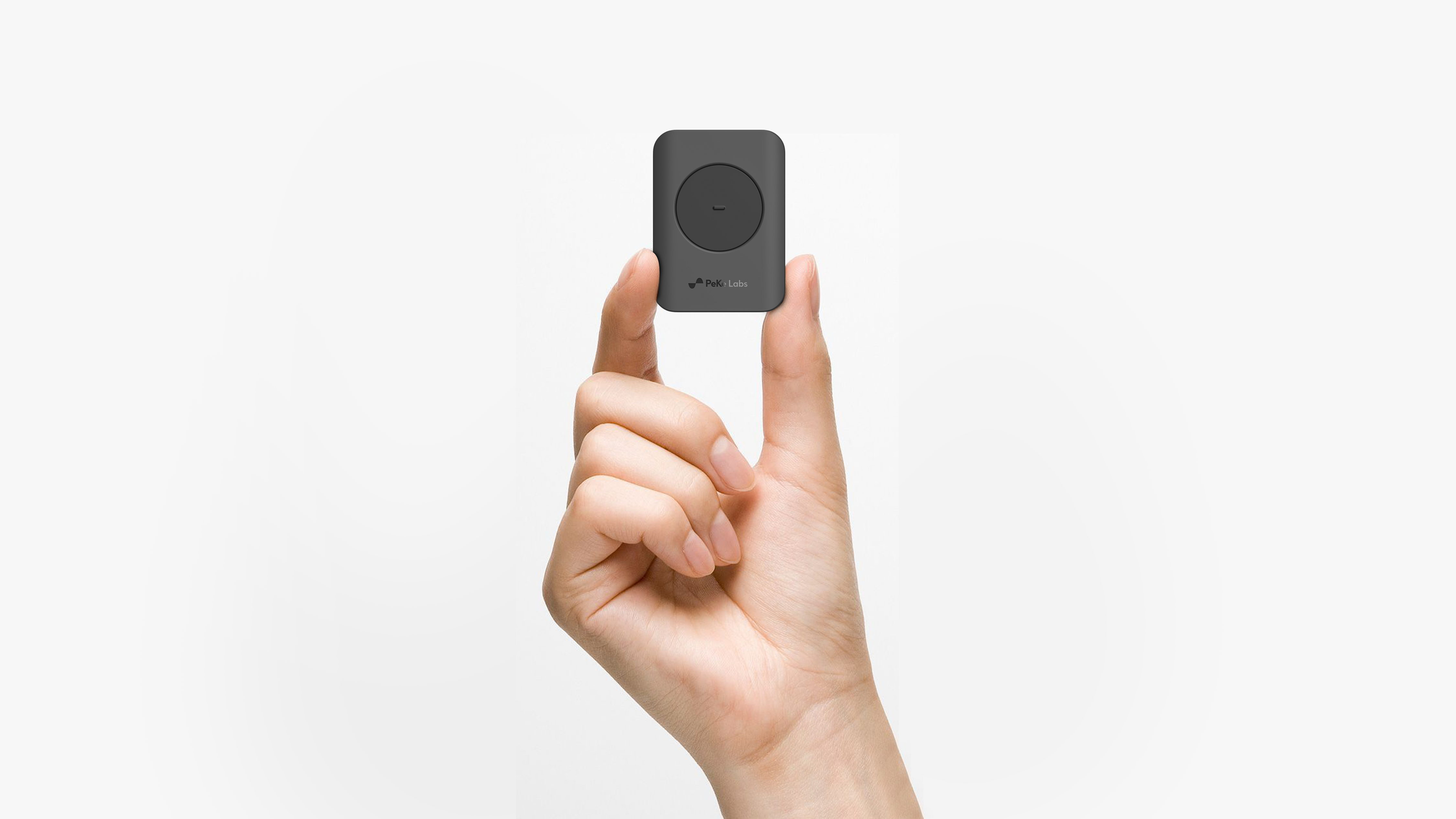
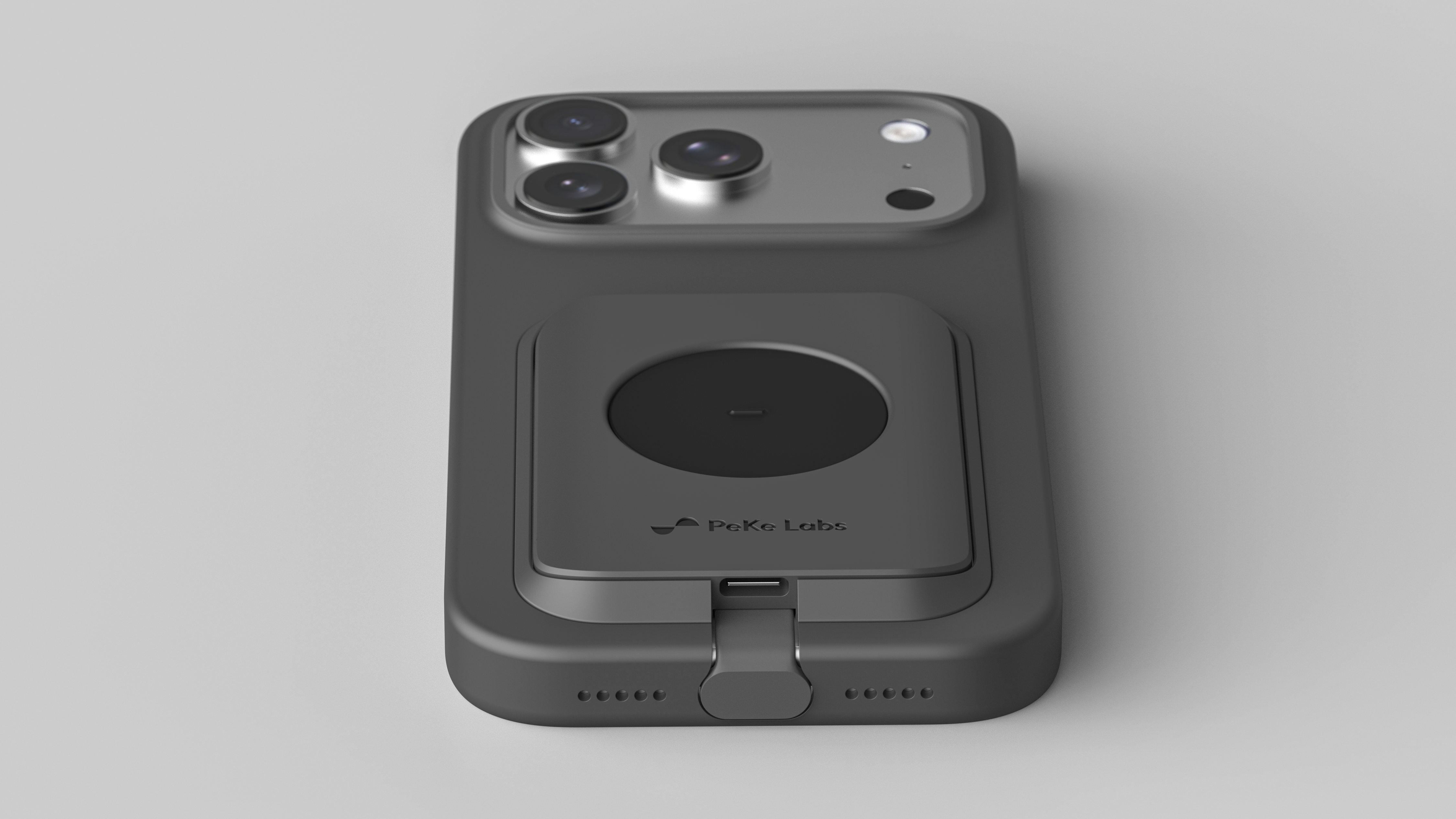
The GID reference controller, by PeKe Labs.
PeKe Labs is building a reference glasses controller - gesture input, buttons, and positional control - paired with a companion relay app that bridges the controller to the app on your glasses. It is the first real implementation of GID, and its job is to prove the model holds where it matters: on actual hardware, over the BLE GATT channel that glasses use today, against real glasses in hand.
The reference controller is how GID earns the right to be a standard rather than a proposal. If the model cannot drive a real device cleanly, the specification is wrong and we would rather find out on our own hardware first.
Follow along
The work happens in the open. Watch the decisions get made and weigh in.